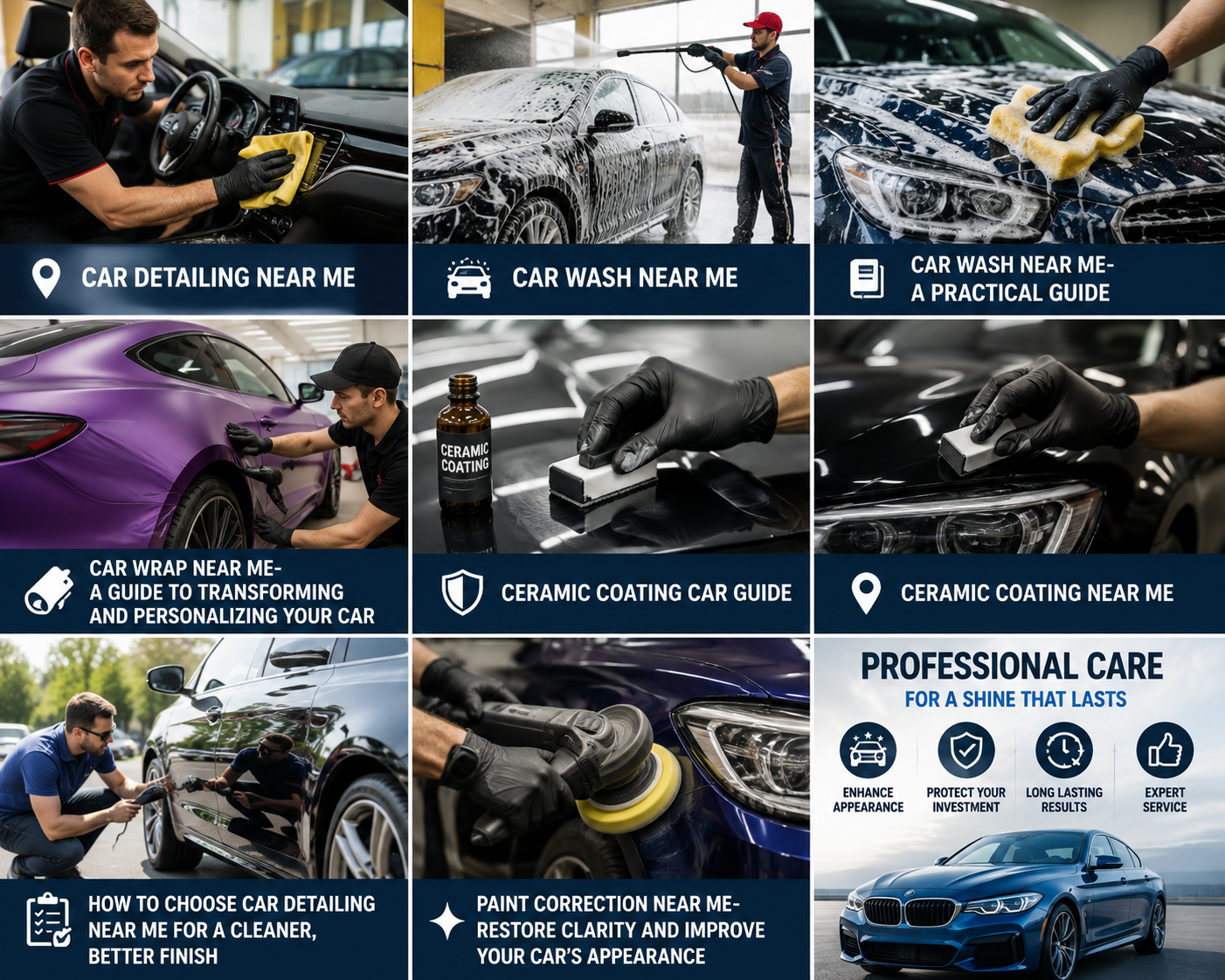
Every journey exposes vehicle paint to potential damage. Small stones, road debris, insects, and environmental contaminants can affect exterior surfaces, particularly during highway driving.
For owners concerned about preserving their vehicle’s appearance, paint protection film for cars offers a practical way to reduce certain types of physical damage.
Unlike ordinary surface treatments, paint protection film creates a transparent physical barrier over selected painted panels.
Understanding its strengths, limitations, and maintenance requirements helps drivers determine whether it suits their needs.
What Is Paint Protection Film?
Paint protection film, often abbreviated as PPF, is a transparent protective material applied to compatible vehicle surfaces.
Many automotive films use flexible polyurethane-based constructions designed to absorb minor impacts and resist abrasion.
When correctly installed, quality film can be difficult to notice during everyday viewing.
How the Film Protects Paint
The film acts as a sacrificial barrier between the paint and external hazards.
Instead of directly striking the painted surface, small particles first contact the film.
This can reduce damage from minor road debris, although no film can guarantee complete protection against every impact.
Areas That Benefit Most From Protection
Not every part of a vehicle experiences the same level of exposure.
Front Bumper
Front bumpers frequently encounter stones, insects, and road debris.
Their complex shapes also make careful installation particularly important.
Hood and Front Fenders
The leading portions of the hood and front fenders are vulnerable to airborne debris.
These areas are commonly considered when planning protective coverage.
Side Mirrors and Door Edges
Side mirrors face direct exposure during driving.
Door edges, meanwhile, can experience contact damage in parking areas and garages.
Protecting these smaller sections can help reduce visible wear.
Different Coverage Approaches
Paint protection film for cars can be applied to selected panels or larger portions of the exterior.
Partial Coverage
Partial coverage concentrates on areas with relatively high exposure.
It may be appropriate when particular panels experience more frequent impacts.
Full-Body Coverage
More extensive coverage creates a broader protective barrier across painted surfaces.
However, installation complexity increases with the number and shape of panels involved.
Coverage decisions should reflect driving conditions, vehicle design, and owner priorities.
What Is Self-Healing Film?
Some modern protective films contain surface layers that can reduce the visibility of minor marks when exposed to suitable warmth.
This property is commonly described as self-healing.
It is important to distinguish minor surface marks from deeper cuts or punctures.
Self-healing does not mean damaged film can repair every type of physical injury.
Installation Quality Makes a Difference
The effectiveness and appearance of paint protection film depend on preparation and application.
Paint should be thoroughly cleaned before installation.
Contamination trapped beneath film can create visible imperfections.
Accurate positioning, suitable edge treatment, and careful handling help achieve a cleaner finish.
Drivers researching local paint protection specialists should consider installation methods and expectations for finished coverage.
Maintaining Paint Protection Film
Regular washing removes contamination and helps preserve the film’s appearance.
Use cleaning methods compatible with the installed material.
Avoid directing high-pressure water at vulnerable film edges.
Bird droppings and insect residue should be removed promptly rather than left to dry for extended periods.
Does Film Require Replacement?
Paint protection film can eventually show signs of ageing, wear, or damage.
Yellowing, lifting edges, or extensive surface deterioration may indicate that inspection or replacement is necessary.
Film lifespan depends on environmental exposure, material quality, and maintenance.
Conclusion
Paint protection film for cars offers a useful solution for reducing everyday paint damage.
By creating a physical barrier against minor impacts and abrasion, it helps preserve vulnerable exterior surfaces.
Choosing appropriate coverage, ensuring careful installation, and following suitable cleaning practices are essential for long-term results.
For drivers who want to maintain a well-kept exterior, protective film can be an important part of preventive vehicle care.