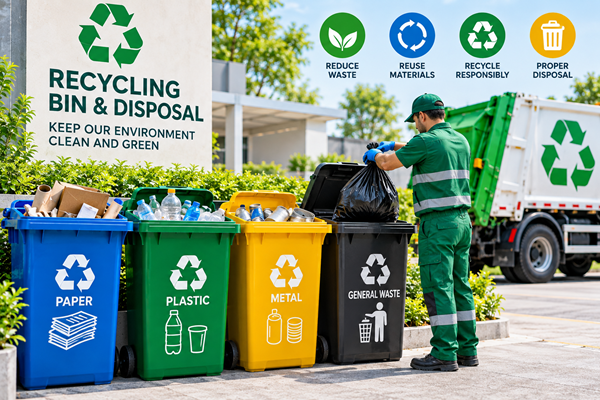
Recycling becomes easier when people know where their materials can be accepted. While household collection programs handle many common items, certain materials require separate transportation to specialized facilities. Identifying suitable recycling drop off locations can help residents and businesses manage recyclable waste more effectively.
Whether you are clearing out storage spaces, completing a renovation, or organizing workplace waste, choosing an appropriate recycling location can reduce confusion and support better material recovery.
Why Recycling Locations Matter
Recycling programs depend on materials reaching facilities equipped to process them.
When recyclable materials are placed in unsuitable collection streams, they may become contaminated or require additional sorting.
Improving Material Recovery
Dedicated recycling locations help direct accepted materials toward appropriate processing systems.
Separating materials at the point of collection can improve recovery opportunities.
Encouraging Responsible Habits
Accessible drop-off options make it easier for households and businesses to participate in recycling.
Knowing where materials belong can also reduce improper disposal.
Types of Recycling Drop-Off Facilities
Not all recycling facilities handle the same materials.
General Recycling Collection Points
These locations may accept common household recyclables such as paper, cardboard, and approved containers.
Acceptance rules depend on the local program.
Construction Material Recycling Facilities
Certain locations handle wood, concrete, metal, drywall, and other construction-related materials.
Material condition and contamination levels can influence acceptance.
Specialized Recycling Programs
Electronics, batteries, and other items may require dedicated collection arrangements.
These programs help manage materials that should not enter ordinary recycling streams.
How to Find Suitable Recycling Locations
When evaluating recycling drop off locations, consider the following factors.
Check Material Categories
Identify the items you intend to recycle before selecting a location.
A facility accepting cardboard may not necessarily accept construction debris or electronics.
Confirm Operating Schedules
Opening hours may vary during weekends, holidays, and seasonal periods.
Checking availability before traveling helps avoid unnecessary trips.
Understand Preparation Requirements
Some locations require materials to be clean, dry, flattened, or separated.
Following these guidelines helps simplify unloading and processing.
You can also review nearby recycling facility information when organizing your visit.
Preparing Recyclables Before Transportation
Proper preparation can improve recycling efficiency.
Sort Materials by Type
Keep paper, metal, plastic, and construction materials separate whenever required.
Remove Unnecessary Contamination
Empty containers and remove excessive food residue where applicable.
Keep cardboard away from rain and moisture.
Secure Materials During Transport
Loose items can shift or escape from vehicles.
Use suitable containers and secure larger materials before traveling.
Common Recycling Challenges
One challenge is confusion about which materials are recyclable locally.
Packaging labels may indicate material composition without confirming acceptance at a particular facility.
Another challenge involves mixing recyclable and non-recyclable items.
Contamination can reduce the quality of recovered materials and complicate processing.
Clear preparation guidelines help address both issues.
Building Better Recycling Habits
Recycling works best when it becomes part of an everyday routine.
Designating separate storage areas for recyclable materials can make sorting easier.
Businesses may benefit from clearly labeled collection containers, while households can establish simple systems for paper, metal, and other accepted materials.
Regularly reviewing local guidelines helps ensure that materials reach suitable destinations.
Conclusion
Recycling drop off locations play an important role in helping communities manage recyclable waste responsibly.
By identifying appropriate facilities, preparing materials correctly, and following local acceptance requirements, households and businesses can improve recycling participation.
Small improvements in sorting and disposal habits can support meaningful long-term resource conservation.